2020年4月19日 星期日

從句前comma的使用

前天同事因為要修改四年級文法練習補充,留意到有一句有although的句子,建議although之前加comma。同事問我意見,我說although像其他的subordinate conjunction,例如when, because,如果是置於句子中間,不需加上逗號。我這個說法的根據來自哪裡呢?我自己也要找一找。

Michael Swan的在其Practical English Usage關於punctuation標點的欄目下說,當從句置於句首時,經常用逗號分開,例如:If you are ever in Hong Kong, come and see me.但當從句置於句中呢?Michael Swan沒說清楚,只是他的例句Come and see me if you are ever in London就不用逗號。這就是同事跟我的爭拗點:我認為例句顯示從句置於句中就不用逗號,但同事見到六年級的教科書關於although從句置於中間的例句有逗號。

這個問題的答案原來不是易找,反而我在趙振才編著的《英語常見問題解答大詞典》,在comma一欄舉出了一個例子:When George was fourteen he became his father's helper. 趙認為若狀語從句置於主句之前,通常用逗號與主句分開,但如狀語從句短,不用逗號也可,如When he comes I will tell him to fetch the police.

但同事之所以認為although置於句子中間應該要加逗號,是因為Cambridge字典的例句都有逗號:


我查過Cobuild的Usage書,也沒有談及這話題,其字典的例句也是在句中間的although前放逗號。或許,有沒有逗號也沒所謂吧!

2020年4月12日 星期日

英文用法之C篇


讀音:
cafe,mosque vs synagogue 
-mosque 讀/mɒsk/, synagogue讀/ˈsɪn.ə.ɡɒɡ/

compliment, complement 
-兩者意思不同,但都有名詞和動詞之分,讀音有少少唔同,名詞讀/ˈkɒm.plɪ.mənt/, 動詞讀/ˈkɒmpləment

confidant vs confident
-confidant是知心友, 讀/ˈkɒn.fɪ.dænt/, 有少少不同confident的讀法

counsel, council
-兩者都讀/ˈkaʊn.səl/ 

詞彙:
call to
-如說我大聲呼喊他,很多人會說I call him, 但也可以i call to him, 反而i call him比較似「我打電話給他」

in that case, in which case
-in that case不難用,但有時也可in which case, 便不用full-stop句子,例如: He did not finish his homework, in which case he will be punished.

sb is certain that vs sth/sb is certain/sure to vs sb is certain of 
-我肯定會落雨,可以是I am certain that it will rain, 或It will be certain to rain

a chance/ a good chance/ little chance/ no chance/the chance/by chance
-chance是可數名詞亦是不可數名詞殅, 可以說There is a good chance of finding her (可數). 也可以是There is little chance of finding her. 

got it cheap/ played it cheaply
-cheap如果指買賣, 可以作副詞用, 例如I got the pair of shoes cheap in the mall. 

the chemist/the chemist's/ drugstore/ pharmacy 
-都是解藥房

select vs choose-
-select比choose正式

clothes vs clothing
-前者是plural noun, 後者是uncountable

cool vs cold
-cold比cool寒冷

collaborate vs cooperate vs co-operate
-其實三者無分別

comic vs comical vs funny
-三者接近無分別

consult, consult with
-兩者也可用

make breakfast vs prepare breakfast 
-前者較生活化,後者較正式

client vs customer
-client是客人,但不是買東西的客人

文法:
that也是that's subordinating conjunction 
-留意 that也是subordinating conjunction, 所以I know that he is gay, that是連接詞

finite clause vs non finite clause
-finite 是有時態的,non-finite沒有時態,例如-ing clause, Knowing that the exam is coming

complement (adjectives as subject complements vs object complements ), noun as object complement 
-有些動詞後接形谷詞作補語, 例如I am kind, am是linking verb,另外一種動詞不是linking verb, 例如: He died young. 

complete有比較級嗎?
-complete 若解完整,可有比較級,若解十分, 沒有比解級.

yet,then是conjunction嗎?
-yet是,then不是


2020年4月5日 星期日

英文用法之b篇

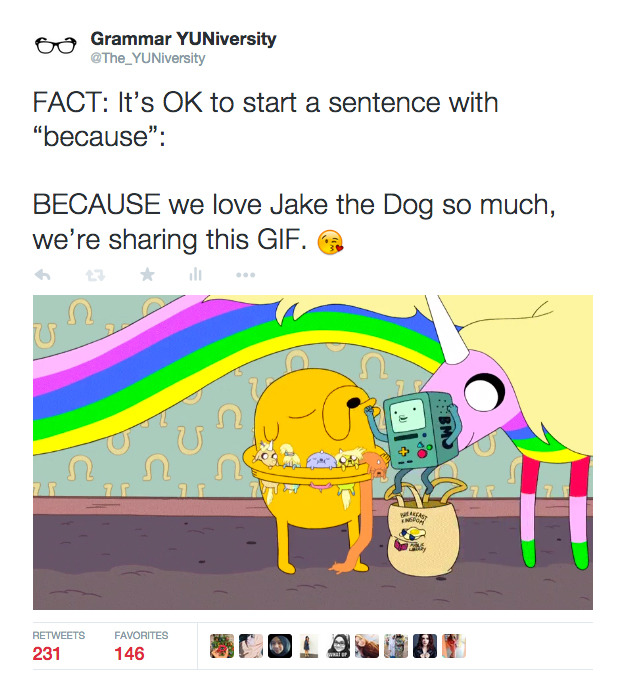
The YUNiversity — What's up with starting a sentence with "because"?

英語用法除了與易混淆字有關,也與字的配對和字的文法有關。今篇談談b開頭的字。

首先也談易混淆字。

例如badly有兩個意思。badly一個意思是bad的副詞,比較級是worse及worst,badly另一個意思是十分,比較級是more badly及most badly. become有很多相似字,例如get, grow, come, go都可以取代become成為become+形容詞的用法,例如:get dark, grow hot, come true, go cold, go wrong, turn yellow; 

行李可以是suitcase或case, 但也可只是bag。

beach是沙灘,shore是海岸,coast是沿海地區。

bear解忍受有4個同義詞: endure, stand,tolerate, put up with.

beside與besides兩字有相似及不同的地方。相似是大家也是介詞,只是beside是在某物旁邊,besides是除此之外,而besides跟名詞也可以跟動名詞。而不同是,besides也可以是副詞,也是解除此以外,例如:He is naughty. Besides, he is poor.

between與among的分別很多人聽過,就是between是兩個人或物之間,among是三個或以上的人或物之間,但留意以上的between是指位置,但如果是抽像指兩或者以上的人或物之間,也用between,例如:You can choose between A, B and C. 

brand是品牌,但make是型號。如:What make is your car?

bring是帶來,take是拿去,而fetch是拿來。

bust是弄壞,是break較非正的講法。

第二種是字的collocation。

例如barely要跟when,如:They had barely sat down when the shop needed to close. 

believe是相信,believe in是相信某事之存在。

belong to是屬於,但單單belong是表示某事某人在適合的地方。例如I don't feel I belong.

第三種是特別的文法問題。

例如because: 究竟because究竟可否用於句子開頭?只要是回答why的問題,直接用because做開頭是可以的.例如: Why are you tire? Because I just went hiking.

除了because, 其實都有很多人不知究竟but可否作句子開首。非正式語氣上,是可以的。

究竟by與with有什麼分別?by 是表示某事的完成方式,例如:I went to school by bus. 但with是表示工具,例如:I cleaned the mirror with a yellow cloth. 留意當用by表示方式,後接的名詞是沒有determiner的。

2020年3月29日 星期日

英文用法之a篇

讀音:
aural
-aural與oral讀音一樣

vocab:

afraid vs frightened
-afraid只是表語形容詞,frightened既是表語也是定語,即是可以說:I am frightened或I am afraid,但只能He is a frightened boy,而不能說He is a afraid boy.
-afraid也可以表示擔心、憂慮。I am afraid that my exam result is not good.
-afraid也可以解sorry: I am afraid so/ I am afraid not.

agree
-agree可以是agree with somebody,亦可以agree with an idea


all day
-有一個意思與every相似,例如every day與all day, 只是every day指每一天, 而all day是一整天

all right
-all right是令人滿意、可接受的,拼法上可以是alright

anytime
-任何時候at any time即any time,也可寫anytime.例如You can visit me any time=You can visit me at any time=You can visit me anytime. 
-Any time也可當連詞:Any time you need my help, call me.
-Any time當然也解一些時間,那就不能寫anytime,例如I can't waste any time in waiting for her.

anyway
-anyway有兩個解釋,一個是無論如何,另一個則用於改變話題、或表示想結束談話.例如: Anyway, I have to go. 

apart from vs aside from
-我們都知apart from表示除...之外,但美式英文說aside from

appeal for/to/against// appeal to
-appeal這個字的基本意思是懇求,是不及物動詞.例如appeal for money是懇求金錢,appeal to the government是懇求政府
-appeal另一個意思是上訴,通常用against,如appeal against the sentence.或appeal to the court against the sentence
-appeal第三個意思是吸引,跟to, 例如the shoes appeal to the young people,即鞋吸引年輕人.

apply for/to
-apply跟for是apply for something,用名詞,但apply也可跟動詞,如apply to have the benefits. 
-apply另一意思是塗抹,日常生活用rub on, put on, spread on等,例如: rub the ointment on the leg

appreciate it
-appreciate是及物動詞,所以說I will appreciate it if you reply to me early.不要漏了appreciate後的it

approve vs approve of
-approve加of與否的分別很遠.如果不加of,approve是批准, 若approve加of,解贊同.

twice as many money as 
-as...as有一個多幾多倍的用法,就是加一個倍數的字,再用as...as,例如: He is half as old as me. I got twice as much salary as he did. 
-留意as...as接著的可以是主語加動詞,或是受詞.例如: He is as fat as him, He is as fat as he is. 
-如比較的物件很清楚,可以省略第二個as及後面的名詞詞組或分句,如:I did not go to my favorite restaurant. I went to another. It is as good (as my favorite one). 

attendent  vs shop assistant 
-店務助理英文是shop assistant,但在某些地方的服務人員叫attendent.
-美國叫shop assistant作sales clerk

await vs wait for
-await即wait for的正式語,如I await her return.

awake vs wake
-awake除了是形容詞,也是動詞, 與wake同義,例如:I awoke from a deep sleep.


文法:
already
-already除了指動作是已完成外,也可以是情況。而情況不一定要用現在完成式,例如: I 日already know the answer.

although
-although與though有個好重要分別,就是兩者都是連詞,但though也可以作副詞,解不過:He, though, is also gay.

and
-用and連接動詞不一定是表示兩個動作,例如I will go and see what happened. go與see不是去與看兩個動作,而是go to see:去看.Come and stay with us是come to stay with us的意思.
-and可以用於句首嗎?可以的,只是較口語.
-and很少用於否定句,例如I don't like Tom and Paul.應該說I don't like Tom or Paul.(除非兩個名詞是一個idiom,例如bread and butter).另外一個例子: I am not rich or handsome. 

anywhere
-anywhere與anyone或anything一樣,基本上有兩個意思.一個是任何X, 例如: You can go anywhere.另一個是用於疑問句及否定句.例如: I don't go anywhere today.

walk about/walk around/get around/come around
-很多人知道round, around可作介詞或副詞,解作多方向移動.如He walked round the shopping mall, He wandered round. 但很多人不知道about也是同樣意思.(美式英語多用around)
-但如果解作在四周圍繞的介詞,about無這個意思.如: He put a scarf around his neck.
-另外around或about有「在附近」的意思,如There are not many new jobs around. 
-get around及round可及物或不及物,作「解決問題」,如She got around the problem cleverly.而come around/round解作出現,如She finally came around. (美式英語多用around)
-作「大約」解時, 可說about, around, 但不是round, 而是round about, 例如: She is round about 40 years old.

another
-another不要放在眾數可數名詞或不可數名詞前面,如不可以: I spent another money.或He needs another apples, 但可以在數詞或few之前: I need another 10 minutes. 

I asked her age
-ask可以跟someone及their name or age,例如: He asked me my age/He asked her her name.這其實是He asked me what my age/name is的簡寫.
-也可以跟someone及their opinion, 例如: He asked me my opinion. 這其實是He asked me what my opinion is的簡寫.

assure me that vs ensure that vs insure the car 
-assure是向某人保證,例: He assured me that he will finish the homework.
-ensure似assure, 但ensure通常跟that clause, 如: He ensures that he will finish the homework. 這個意思上,美國用insure.
-當然insure有另一意思,是為...投保,如: He insured the mobile phone before he went to travel.

as well as
-用as well as連接分句時,第二個分句要用gerund!例如: She teaches the senior form students English as well as applying for funding for the school. (這點很多人都搞錯)

autumn vs the autumn
-autumn或the autumn都可用,例如: I travel in autumn/the autumn.

avoid vs prevent 
-avoid與prevent的分別在於,不能說avoid someone doing something, 只能說prevent someone from doing something,例如: The policy prevents him from being lazy.


2020年3月22日 星期日

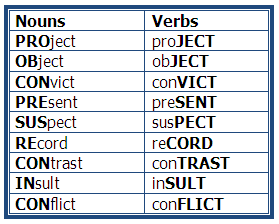
單字名詞的重音位置

English facts

上一篇提到複合名詞的發音問題,重點是複合名詞的重音都落在第一個組成部分上,這篇會探討單字名詞一些特別的發音問題。

第一,跟複合名詞一樣,當我們讀雙音節的單字時,很容易不自覺把重音讀了在第二節上。以人名做例字,很多人讀Janet把重音讀了在第二個音節,讀了JaNET,應是JAnet。又例如薰衣草,重音應放在第一個音節,不應讀LaVENder,應是LAvender。其他經典例子有template, hamburger, triangle, rectangle, goodbye, refill, refund, rebate, discount, purchase. 

第二,問題有時不是直接搞錯重音的位置,而是在非重音的音節上讀了第二個音。當我們讀雙音節字,如果音節不是重音音節,很容易我們又會讀了其他元音,這裡有幾個情況:

  • 把英文名詞中的e錯讀/aː/音brother, mother中的e錯讀/aː/音,例如brother, mothers這些字,第二個音節不是強元音/aː/,應是弱元音/ə/,不應讀/ˈbrʌðaː/, /ˈmʌð.aː/ 。
  • 把英文名詞中的e錯讀/e/音,例如-et尾的字,如ticket, toilet, market, planet, bucket, asset, pocket這些雙音字的第二個音節不應讀/e/音,而是/i/音。
  • 把英文名詞中的o錯讀/ɒ/音,應該是讀輕聲的/ə/,例如method, Oxford, comfort, Charlotte, concert,parrot, pilot, purpose,這是常見的中學生錯誤,經常寫在每年的會考年報內。
  • 把-less或-ness結尾的最後部分錯讀/les/或/nes/,例如illness,不是/ˈɪl.nes/,而是/ˈɪl.nəs/,careless不是/ˈkeə.les/,而是/ˈkeə.ləs/。
  • 把-ace結尾的名詞的最後部分讀成/eɪs/,事實是/ɪs/,例如surface, preface, furnace, palace, necklace。
  • 把-age結尾的名詞的最後部分錯讀/eɪʤ/,卻是讀/ɪʤ/,例如advanatage, language, damage, envisage, luggage, message, privilege, shortage, village等。
  • 把-ate結尾的名詞的最後部分讀了/eɪ/,其實因為重音在第一節,所以最後音節該讀/ə/音,例如certificate作名詞時讀 /səˈtɪf.ɪ.kət/ 。其他例子有candidate, 雖然可以讀/ˈkæn.dɪ.deɪt/,但 /ˈkæn.dɪ.dət/不是錯。 


第三,在多音節生字上,重音節也大多是在第一個音節,因此其他音節要以非重音讀出,這裡又有幾個情況:

  • -body或-one或-thing結尾的部分讀得太響,即使讀/ɒ/是對,但也不能當重音讀。例如:Everybody應讀EVERYbody,不是EveryBODY。Everywhere是讀EVERYwhere,不是EveryWHERE.
  • 沒有把多音節字的重音放在首音節,例如supermarket, kindergarten,經常都聽到人讀superMARket, 及kinderGARten,都是錯讀。其他重音應置於第一音節但經常被人讀錯的多音節字有: escalator (/ˈes.kə.leɪ.tər/),elevator ( /ˈel.ɪ.veɪ.tər/),legislator (/ˈledʒ.ɪ.sleɪ.tər/), moderator (/ˈmɒd.ər.eɪ.tər/)。
  • 有些多音字好像可以不把重音在第一音節讀,例如kilometer 有人讀 /kɪˈlɒmɪtə(r)/,但其實kilometer是可以把重音放在第一個音節的,讀 /ˈkɪl.əˌmiː.tər/,留意第二音節讀了輕音/ə/。又例如controversy,雖然很多人讀/kənˈtrɒv.ə.si/(留意第一音節讀輕音/ə/),但第一音節讀重音,即讀/ˈkɒn.trə.vɜː.si/也是對的(留意第二個音節讀輕音/ə/,即跟/kənˈtrɒv.ə.si/相反)。
  • 有些多音節名詞的重音真的不是在第一音節,而是在第三音節,但第一音節也是次要音節,不讀輕音/ə/,例如最經典的兩個字:comprehension 與composition。兩字的首音節都不是重音節,但卻讀/ɒ/音,分別讀/ˌkɒmprɪˈhenʃn/及/ˌkɒmpəˈzɪʃn/,十分特別。

單字名詞還有其他的發音問題,這篇只針對重音的問題總結一下。另外其他詞性的字也有類似的問題,日後再談。

2020年3月15日 星期日

複合名詞及其讀法

 
acentuación de los sustantivos compuestos (compound nouns) en ...

英文讀音本身不在這個網誌的討論範圍內,但其實英文聽說讀寫每部分都息息相關。了解多點英文字的常見錯誤讀法,對寫作時的用字也有幫助。尤其是作文用到的複合名詞, 港人常常讀錯重音。其中又分單字的重音錯置及雙字的重音錯置。

首先定義什麼是compound noun(留意compound noun本身也是compound noun)。複合名詞的定義是,組成的部分各自有不同含義,但結合之後變成第三個意思,例如ice-cream,ice與cream是兩件事情,而加在一起就變成另一種東西!
然後到複合名詞的種類.大致上分三種,第一種是一個字入面有兩個字,例如:bedroom, football, handbag, landlord, lighthouse, menswear, newspaper, notebook, desktop, paintbrush, sketchbook. 第二種是字入面兩個字用-分開,例如: ice-ceam, air-crew, chat-room, check-in等.第三種是兩個字分開寫,例如: bus stop, common room, dinner table, police station, post office, tin opener. 留意最後兩個字分開寫的一種,因為兩個字分開的話,本身有兩種可能性, 一種是名詞短語(noun phrase,即形容詞加名詞),一種是複合名詞(compound noun)。尤其是-ing尾動詞(V-ing)可以是gerund又可以是adjective. 如果v-ing作形容詞, v-ing+名詞形成的noun phrase; 若v-ing作gerund, v-ing加名詞變成複合名詞, 例如dancing shoes. dancing可能是gerund也可能是adjective.
談到讀音方面, 複合名詞只有第一名詞讀重音,headword不重讀. 所以不要讀BEDROOM, 要讀BEDroom; 不要讀FACEBOOK,要讀FACEbook; 不要讀ICE-CREAM,要讀ICE-cream,不要讀BUS STOP,要讀BUS stop. 如果v-ing加名詞成複合名詞,便只有v-ing讀出重音.所以跳舞用的鞋讀DANcing shoes;如果v-ing作形容詞,dancing shoes便是noun phrase,代表一雙會跳舞的鞋,便讀DANcing SHOES。分別在於前者的重音只在dancing,而後者的dancing及shoes都有重音。 最後留意有些複合名詞分開便變noun phrase,例如黑板是blackboard,是一個複合名詞, board是headword,所以blackboard只有black作重音, 讀BLACKboard, 但兩個字分開變黑色的板(black board),black是形容詞, black board是noun phrase,形容詞及名詞都要有重音, 讀BLACK BOARD.

2020年3月8日 星期日

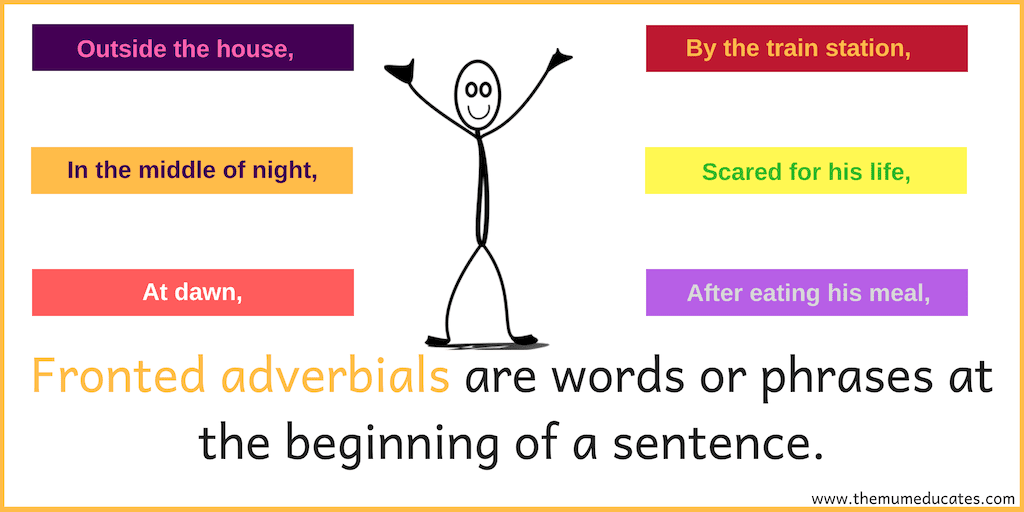
副詞(狀語)的位置

What is a fronted adverbial? - FREE Mat and Worksheets

正如形容詞可以罝於名詞之前(作定語),繫動詞之後(作表語),或名詞之後。而副詞複雜一點,可置於動詞後,動詞前(助動詞後,主要動詞前),或句首。

第一:動詞後。一般副詞其實都是置在動詞後。如果動詞有受詞,則置於受詞之後。例如:

He did the things right. 

第二:動詞前,或助動詞後主要動詞前。如果He could right do the things,聽上去很奇怪,改為He could correctly do the things就順耳得多。所以沒有-ly字尾的副詞只會置於動詞或受詞後。

He marked the homework carefully.
He carefully marked the homework.

以上的carefully就可以置於動詞前或動詞後。原來副詞是否既可置於動詞前或動詞/受詞後,視乎它的類別。carefully是屬於方式類,方式類副詞真的置於動詞前或後也一樣。

有些程度範圍類副詞也是置於動詞或受詞後:

I disagree with him completely.
I loved congee greatly.

有些類別的副詞則主要置於動詞之前或句首,例如

1. 頻率類:I often think that he is not nice.
2. 可能性類:Maybe he is gay.
3. 部分程度和範圍類:He almost died from the illness.
4. 強調類:I simply(=completely) don’t agree with him. 
5. 焦點類:I told her what she chiefly wanted to know.

第三,句首。這一類最特別,放在句首是因為要強調。例如方式狀語,本身置在動詞或受詞後,若置於句首是因為要強調:

Gently he held my hands. 

另外時間及地點常常都會前置:

In 1997 he was born.
In the room there is a scooter. 

(留意以上一句只是副詞前置,不是倒裝。倒裝是動詞與主語位置轉換。所以不要與In the room is a scooter混淆。)