2020年5月3日 星期日

英文的ellipsis現象(1)

以前都是教中學生英文,一直都用中學的書來教英文,這兩年到了小學教,需要用校本的文法練習、閱讀理解練習等。而小學的練習,經常問學生yes/no問題。不要少看這yes/no question,當中其實涉及英文一個學問,叫做「省略」(Ellipsis)。

給小學生做的問題很多時是這樣的,主要其實是考學生的tenses。例如問: Are you happy? 老師期望學生首先答yes或者no,這部分最簡單。第二部分是期望學生用對subject,因為問題是動詞與主語倒裝的,所以Are you happy?這問題期望學生懂得答了yes或no之後,加逗號,再懂得用I做subject。然後,就是精彩部分了,老師判斷學生懂不懂英文最關鍵的部分就是這個動詞。問題Are you happy是用現在式(present tense ),所以答案當然也是現在式,即是答Yes, I am或No, I am not。學生懂得用am或am not,他的英文水平已有一定程度。

上要一段說明了一個yes/no問題最完美的答案是什麼。但問題來了:為什麼答案會省略了問題最後的部分?問題問:Are you happy,答案不應該是Yes, I am happy或No, I'm not happy嗎?為何省略happy?如果學生答Yes, I am happy或No, I'm not happy,又正確嗎?這問題之所以難答,因為兩部分。第一,我們都習慣了省略,所以若問起究竟可不可以「不省略」,有時也不容易答得上來。第二,如果可以不省略,那為什麼又可以省略呢?

問題的答案是這樣的:第一,為什麼要省略?原來,英文這種省略方法,是用助動詞(auxiliary verb )來取代動詞短語(a verb phrase)或動詞短語加受詞部分(a verb phrase and its object)。例如:Do you like sports?答案應該答:Yes, I do或No, I don't,就是用do或don't 這助動詞來取代like sports這verb phrase及object。第二,答Yes, I am happy或No, I am not happy可以說有問題也可以說也沒有問題,因為既然可以是省略,那當然可以不省略,但根據Collins Cobuild English Usage:"A full clause would sound unnatural."即是不省略顯得不自然,所以學生不省略的話,不扣分是仁慈,但扣分也是道理。

(而省略也有好多細節,下星期再談。)

2020年4月26日 星期日

電影學英文(1): American sniper


今次開始一個新的系列,叫電影學英文系列。很多人用過電影學英文這手法教和學英文。的確,看電影學英文有很多好處,例如可以學到真正地道的英文(在今日介紹的這套電影,尤其是粗口),又可吸收不同的詞彙,另外也學到寫英文的結構。今次介紹的這齣戲,我會從詞彙角度看教它供我們學到的英文知識。我會從IMDB上描寫的情節的先後次序提及出現的值得留意的10個詞彙。

IMDB這樣描述電影第一幕:"In the opening scene, US Navy SEAL sniper Chris Kyle (Bradley Cooper) is perched on a rooftop, scoping out the path of a US military convoy through his sniper rifle."perched 作不及物動詞是解作「坐在」,例如: We perched on the rock. 但這句的perched是被動式,是及物動詞,有點它解作「使....位於高處」,he is perched on a rooftop是他被置身於屋頂上.scope out指「仔細觀察」。情節跟著是:. The man disappears from the rooftop and a few moments later, a woman and a young boy appear in the doorway of the same building and walk toward the convoy. 這句出現convoy這個字。原來convoy是車隊,尤指護衛車隊。

電影下一幕是男主角的少年故事。IMDB有一句: His father reprimands him for treating his gun cavalierly. repirmand是責備、訓斥,留意英國讀音是  /ˈrep.rɪ.mɑːnd/,美式是  /ˈrep.rə.mænd/,cavalierly是cavalier的副詞,是「漫不經心地」。然後是點題的對白:In the next scene, seated at the family's dinner table, Chris' father tells the boys that there are three kinds of people in the world - sheep, wolves and sheepdogs. Sheep don't believe that there is evil in the world, wolves are predators who commit evil, and sheepdogs are blessed with the aggression and bravery to protect the world from evil. The speech clearly makes an impact on Chris.這段對白沒有甚麼難字,但很有意思。值得一提是最後一句用了makes an impact on,The speech clearly makes an impact on Chris是解「那演講深深影響了Chris」。

電影下一幕是男主角長大了與弟弟的故事:Years later, Chris is competing in rodeos with his younger brother traveling alongside him. rodeo是北美的牛仔競技表演,很有美國地道色彩的名詞。男主角表演完與弟弟回家時發現自己被戴綠帽,其實這幕有點不太合邏輯,明明是女朋友自己不忠,卻去駡男友失敗:She complains that he abandons her every weekend to go to rodeos, believing himself to be a cowboy when he's just a failed farmer.她說男主角是failed farmer.

電影再講他接受海豹特擊隊的訓練: Kyle goes through the rigorous training process, which includes being blasted with a powerful hose while exercising。rigorous是嚴密的、嚴格的,另外blast是爆破,因為男主解被長官用水喉射住。

電影這個時候就接回第一幕他在戰場上的情況:The film cuts back to the opening scene and Kyle watches the woman hand the grenade off to the young boy.grenade(讀/ɡrəˈneɪd/)是手榴彈。戰場上有人交了美軍想找的名字給他們:Kyle has the name checked out, which turns out to be useful intelligence, so they prepare to bring the cash to the man.這句的intelligence不是智彗,雖然都是不可數名詞,但這裡解「情報」,所以美國的CIA是Central Intelligence Agency。

重溫今日介紹的較有機會在寫作中用到的十個生字:perched, scope out, convoy, reprimand, make an impact on, rodeo, failed, rigorous, blast, grenade, intelligence. 

2020年4月19日 星期日

從句前comma的使用

前天同事因為要修改四年級文法練習補充,留意到有一句有although的句子,建議although之前加comma。同事問我意見,我說although像其他的subordinate conjunction,例如when, because,如果是置於句子中間,不需加上逗號。我這個說法的根據來自哪裡呢?我自己也要找一找。

Michael Swan的在其Practical English Usage關於punctuation標點的欄目下說,當從句置於句首時,經常用逗號分開,例如:If you are ever in Hong Kong, come and see me.但當從句置於句中呢?Michael Swan沒說清楚,只是他的例句Come and see me if you are ever in London就不用逗號。這就是同事跟我的爭拗點:我認為例句顯示從句置於句中就不用逗號,但同事見到六年級的教科書關於although從句置於中間的例句有逗號。

這個問題的答案原來不是易找,反而我在趙振才編著的《英語常見問題解答大詞典》,在comma一欄舉出了一個例子:When George was fourteen he became his father's helper. 趙認為若狀語從句置於主句之前,通常用逗號與主句分開,但如狀語從句短,不用逗號也可,如When he comes I will tell him to fetch the police.

但同事之所以認為although置於句子中間應該要加逗號,是因為Cambridge字典的例句都有逗號:


我查過Cobuild的Usage書,也沒有談及這話題,其字典的例句也是在句中間的although前放逗號。或許,有沒有逗號也沒所謂吧!

2020年4月12日 星期日

英文用法之C篇


讀音:
cafe,mosque vs synagogue 
-mosque 讀/mɒsk/, synagogue讀/ˈsɪn.ə.ɡɒɡ/

compliment, complement 
-兩者意思不同,但都有名詞和動詞之分,讀音有少少唔同,名詞讀/ˈkɒm.plɪ.mənt/, 動詞讀/ˈkɒmpləment

confidant vs confident
-confidant是知心友, 讀/ˈkɒn.fɪ.dænt/, 有少少不同confident的讀法

counsel, council
-兩者都讀/ˈkaʊn.səl/ 

詞彙:
call to
-如說我大聲呼喊他,很多人會說I call him, 但也可以i call to him, 反而i call him比較似「我打電話給他」

in that case, in which case
-in that case不難用,但有時也可in which case, 便不用full-stop句子,例如: He did not finish his homework, in which case he will be punished.

sb is certain that vs sth/sb is certain/sure to vs sb is certain of 
-我肯定會落雨,可以是I am certain that it will rain, 或It will be certain to rain

a chance/ a good chance/ little chance/ no chance/the chance/by chance
-chance是可數名詞亦是不可數名詞殅, 可以說There is a good chance of finding her (可數). 也可以是There is little chance of finding her. 

got it cheap/ played it cheaply
-cheap如果指買賣, 可以作副詞用, 例如I got the pair of shoes cheap in the mall. 

the chemist/the chemist's/ drugstore/ pharmacy 
-都是解藥房

select vs choose-
-select比choose正式

clothes vs clothing
-前者是plural noun, 後者是uncountable

cool vs cold
-cold比cool寒冷

collaborate vs cooperate vs co-operate
-其實三者無分別

comic vs comical vs funny
-三者接近無分別

consult, consult with
-兩者也可用

make breakfast vs prepare breakfast 
-前者較生活化,後者較正式

client vs customer
-client是客人,但不是買東西的客人

文法:
that也是that's subordinating conjunction 
-留意 that也是subordinating conjunction, 所以I know that he is gay, that是連接詞

finite clause vs non finite clause
-finite 是有時態的,non-finite沒有時態,例如-ing clause, Knowing that the exam is coming

complement (adjectives as subject complements vs object complements ), noun as object complement 
-有些動詞後接形谷詞作補語, 例如I am kind, am是linking verb,另外一種動詞不是linking verb, 例如: He died young. 

complete有比較級嗎?
-complete 若解完整,可有比較級,若解十分, 沒有比解級.

yet,then是conjunction嗎?
-yet是,then不是


2020年4月5日 星期日

英文用法之b篇

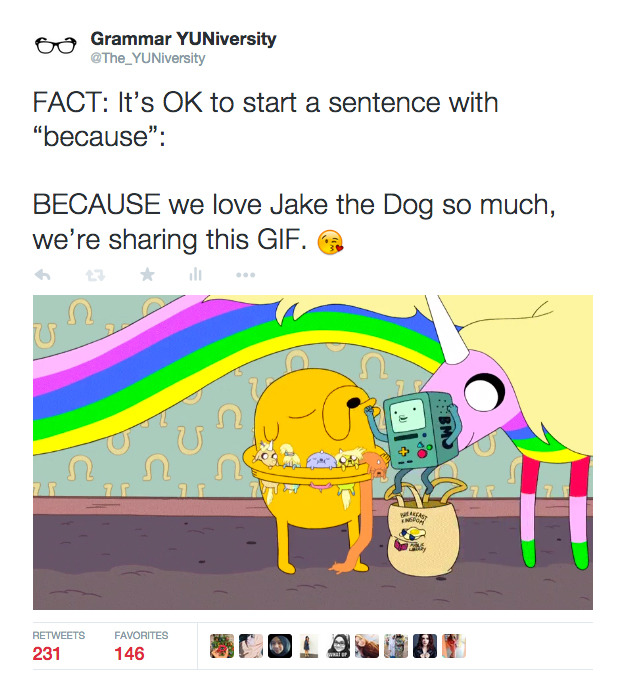
The YUNiversity — What's up with starting a sentence with "because"?

英語用法除了與易混淆字有關,也與字的配對和字的文法有關。今篇談談b開頭的字。

首先也談易混淆字。

例如badly有兩個意思。badly一個意思是bad的副詞,比較級是worse及worst,badly另一個意思是十分,比較級是more badly及most badly. become有很多相似字,例如get, grow, come, go都可以取代become成為become+形容詞的用法,例如:get dark, grow hot, come true, go cold, go wrong, turn yellow; 

行李可以是suitcase或case, 但也可只是bag。

beach是沙灘,shore是海岸,coast是沿海地區。

bear解忍受有4個同義詞: endure, stand,tolerate, put up with.

beside與besides兩字有相似及不同的地方。相似是大家也是介詞,只是beside是在某物旁邊,besides是除此之外,而besides跟名詞也可以跟動名詞。而不同是,besides也可以是副詞,也是解除此以外,例如:He is naughty. Besides, he is poor.

between與among的分別很多人聽過,就是between是兩個人或物之間,among是三個或以上的人或物之間,但留意以上的between是指位置,但如果是抽像指兩或者以上的人或物之間,也用between,例如:You can choose between A, B and C. 

brand是品牌,但make是型號。如:What make is your car?

bring是帶來,take是拿去,而fetch是拿來。

bust是弄壞,是break較非正的講法。

第二種是字的collocation。

例如barely要跟when,如:They had barely sat down when the shop needed to close. 

believe是相信,believe in是相信某事之存在。

belong to是屬於,但單單belong是表示某事某人在適合的地方。例如I don't feel I belong.

第三種是特別的文法問題。

例如because: 究竟because究竟可否用於句子開頭?只要是回答why的問題,直接用because做開頭是可以的.例如: Why are you tire? Because I just went hiking.

除了because, 其實都有很多人不知究竟but可否作句子開首。非正式語氣上,是可以的。

究竟by與with有什麼分別?by 是表示某事的完成方式,例如:I went to school by bus. 但with是表示工具,例如:I cleaned the mirror with a yellow cloth. 留意當用by表示方式,後接的名詞是沒有determiner的。

2020年3月29日 星期日

英文用法之a篇

讀音:
aural
-aural與oral讀音一樣

vocab:

afraid vs frightened
-afraid只是表語形容詞,frightened既是表語也是定語,即是可以說:I am frightened或I am afraid,但只能He is a frightened boy,而不能說He is a afraid boy.
-afraid也可以表示擔心、憂慮。I am afraid that my exam result is not good.
-afraid也可以解sorry: I am afraid so/ I am afraid not.

agree
-agree可以是agree with somebody,亦可以agree with an idea


all day
-有一個意思與every相似,例如every day與all day, 只是every day指每一天, 而all day是一整天

all right
-all right是令人滿意、可接受的,拼法上可以是alright

anytime
-任何時候at any time即any time,也可寫anytime.例如You can visit me any time=You can visit me at any time=You can visit me anytime. 
-Any time也可當連詞:Any time you need my help, call me.
-Any time當然也解一些時間,那就不能寫anytime,例如I can't waste any time in waiting for her.

anyway
-anyway有兩個解釋,一個是無論如何,另一個則用於改變話題、或表示想結束談話.例如: Anyway, I have to go. 

apart from vs aside from
-我們都知apart from表示除...之外,但美式英文說aside from

appeal for/to/against// appeal to
-appeal這個字的基本意思是懇求,是不及物動詞.例如appeal for money是懇求金錢,appeal to the government是懇求政府
-appeal另一個意思是上訴,通常用against,如appeal against the sentence.或appeal to the court against the sentence
-appeal第三個意思是吸引,跟to, 例如the shoes appeal to the young people,即鞋吸引年輕人.

apply for/to
-apply跟for是apply for something,用名詞,但apply也可跟動詞,如apply to have the benefits. 
-apply另一意思是塗抹,日常生活用rub on, put on, spread on等,例如: rub the ointment on the leg

appreciate it
-appreciate是及物動詞,所以說I will appreciate it if you reply to me early.不要漏了appreciate後的it

approve vs approve of
-approve加of與否的分別很遠.如果不加of,approve是批准, 若approve加of,解贊同.

twice as many money as 
-as...as有一個多幾多倍的用法,就是加一個倍數的字,再用as...as,例如: He is half as old as me. I got twice as much salary as he did. 
-留意as...as接著的可以是主語加動詞,或是受詞.例如: He is as fat as him, He is as fat as he is. 
-如比較的物件很清楚,可以省略第二個as及後面的名詞詞組或分句,如:I did not go to my favorite restaurant. I went to another. It is as good (as my favorite one). 

attendent  vs shop assistant 
-店務助理英文是shop assistant,但在某些地方的服務人員叫attendent.
-美國叫shop assistant作sales clerk

await vs wait for
-await即wait for的正式語,如I await her return.

awake vs wake
-awake除了是形容詞,也是動詞, 與wake同義,例如:I awoke from a deep sleep.


文法:
already
-already除了指動作是已完成外,也可以是情況。而情況不一定要用現在完成式,例如: I 日already know the answer.

although
-although與though有個好重要分別,就是兩者都是連詞,但though也可以作副詞,解不過:He, though, is also gay.

and
-用and連接動詞不一定是表示兩個動作,例如I will go and see what happened. go與see不是去與看兩個動作,而是go to see:去看.Come and stay with us是come to stay with us的意思.
-and可以用於句首嗎?可以的,只是較口語.
-and很少用於否定句,例如I don't like Tom and Paul.應該說I don't like Tom or Paul.(除非兩個名詞是一個idiom,例如bread and butter).另外一個例子: I am not rich or handsome. 

anywhere
-anywhere與anyone或anything一樣,基本上有兩個意思.一個是任何X, 例如: You can go anywhere.另一個是用於疑問句及否定句.例如: I don't go anywhere today.

walk about/walk around/get around/come around
-很多人知道round, around可作介詞或副詞,解作多方向移動.如He walked round the shopping mall, He wandered round. 但很多人不知道about也是同樣意思.(美式英語多用around)
-但如果解作在四周圍繞的介詞,about無這個意思.如: He put a scarf around his neck.
-另外around或about有「在附近」的意思,如There are not many new jobs around. 
-get around及round可及物或不及物,作「解決問題」,如She got around the problem cleverly.而come around/round解作出現,如She finally came around. (美式英語多用around)
-作「大約」解時, 可說about, around, 但不是round, 而是round about, 例如: She is round about 40 years old.

another
-another不要放在眾數可數名詞或不可數名詞前面,如不可以: I spent another money.或He needs another apples, 但可以在數詞或few之前: I need another 10 minutes. 

I asked her age
-ask可以跟someone及their name or age,例如: He asked me my age/He asked her her name.這其實是He asked me what my age/name is的簡寫.
-也可以跟someone及their opinion, 例如: He asked me my opinion. 這其實是He asked me what my opinion is的簡寫.

assure me that vs ensure that vs insure the car 
-assure是向某人保證,例: He assured me that he will finish the homework.
-ensure似assure, 但ensure通常跟that clause, 如: He ensures that he will finish the homework. 這個意思上,美國用insure.
-當然insure有另一意思,是為...投保,如: He insured the mobile phone before he went to travel.

as well as
-用as well as連接分句時,第二個分句要用gerund!例如: She teaches the senior form students English as well as applying for funding for the school. (這點很多人都搞錯)

autumn vs the autumn
-autumn或the autumn都可用,例如: I travel in autumn/the autumn.

avoid vs prevent 
-avoid與prevent的分別在於,不能說avoid someone doing something, 只能說prevent someone from doing something,例如: The policy prevents him from being lazy.


2020年3月22日 星期日

單字名詞的重音位置

English facts

上一篇提到複合名詞的發音問題,重點是複合名詞的重音都落在第一個組成部分上,這篇會探討單字名詞一些特別的發音問題。

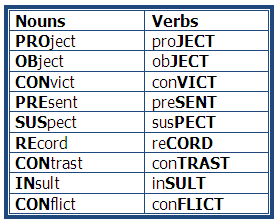
第一,跟複合名詞一樣,當我們讀雙音節的單字時,很容易不自覺把重音讀了在第二節上。以人名做例字,很多人讀Janet把重音讀了在第二個音節,讀了JaNET,應是JAnet。又例如薰衣草,重音應放在第一個音節,不應讀LaVENder,應是LAvender。其他經典例子有template, hamburger, triangle, rectangle, goodbye, refill, refund, rebate, discount, purchase. 

第二,問題有時不是直接搞錯重音的位置,而是在非重音的音節上讀了第二個音。當我們讀雙音節字,如果音節不是重音音節,很容易我們又會讀了其他元音,這裡有幾個情況:

  • 把英文名詞中的e錯讀/aː/音brother, mother中的e錯讀/aː/音,例如brother, mothers這些字,第二個音節不是強元音/aː/,應是弱元音/ə/,不應讀/ˈbrʌðaː/, /ˈmʌð.aː/ 。
  • 把英文名詞中的e錯讀/e/音,例如-et尾的字,如ticket, toilet, market, planet, bucket, asset, pocket這些雙音字的第二個音節不應讀/e/音,而是/i/音。
  • 把英文名詞中的o錯讀/ɒ/音,應該是讀輕聲的/ə/,例如method, Oxford, comfort, Charlotte, concert,parrot, pilot, purpose,這是常見的中學生錯誤,經常寫在每年的會考年報內。
  • 把-less或-ness結尾的最後部分錯讀/les/或/nes/,例如illness,不是/ˈɪl.nes/,而是/ˈɪl.nəs/,careless不是/ˈkeə.les/,而是/ˈkeə.ləs/。
  • 把-ace結尾的名詞的最後部分讀成/eɪs/,事實是/ɪs/,例如surface, preface, furnace, palace, necklace。
  • 把-age結尾的名詞的最後部分錯讀/eɪʤ/,卻是讀/ɪʤ/,例如advanatage, language, damage, envisage, luggage, message, privilege, shortage, village等。
  • 把-ate結尾的名詞的最後部分讀了/eɪ/,其實因為重音在第一節,所以最後音節該讀/ə/音,例如certificate作名詞時讀 /səˈtɪf.ɪ.kət/ 。其他例子有candidate, 雖然可以讀/ˈkæn.dɪ.deɪt/,但 /ˈkæn.dɪ.dət/不是錯。 


第三,在多音節生字上,重音節也大多是在第一個音節,因此其他音節要以非重音讀出,這裡又有幾個情況:

  • -body或-one或-thing結尾的部分讀得太響,即使讀/ɒ/是對,但也不能當重音讀。例如:Everybody應讀EVERYbody,不是EveryBODY。Everywhere是讀EVERYwhere,不是EveryWHERE.
  • 沒有把多音節字的重音放在首音節,例如supermarket, kindergarten,經常都聽到人讀superMARket, 及kinderGARten,都是錯讀。其他重音應置於第一音節但經常被人讀錯的多音節字有: escalator (/ˈes.kə.leɪ.tər/),elevator ( /ˈel.ɪ.veɪ.tər/),legislator (/ˈledʒ.ɪ.sleɪ.tər/), moderator (/ˈmɒd.ər.eɪ.tər/)。
  • 有些多音字好像可以不把重音在第一音節讀,例如kilometer 有人讀 /kɪˈlɒmɪtə(r)/,但其實kilometer是可以把重音放在第一個音節的,讀 /ˈkɪl.əˌmiː.tər/,留意第二音節讀了輕音/ə/。又例如controversy,雖然很多人讀/kənˈtrɒv.ə.si/(留意第一音節讀輕音/ə/),但第一音節讀重音,即讀/ˈkɒn.trə.vɜː.si/也是對的(留意第二個音節讀輕音/ə/,即跟/kənˈtrɒv.ə.si/相反)。
  • 有些多音節名詞的重音真的不是在第一音節,而是在第三音節,但第一音節也是次要音節,不讀輕音/ə/,例如最經典的兩個字:comprehension 與composition。兩字的首音節都不是重音節,但卻讀/ɒ/音,分別讀/ˌkɒmprɪˈhenʃn/及/ˌkɒmpəˈzɪʃn/,十分特別。

單字名詞還有其他的發音問題,這篇只針對重音的問題總結一下。另外其他詞性的字也有類似的問題,日後再談。